Outcome-as-a-service is piecework for AI Agents. There’s a reason we pay workers salaries instead.
Businesses like the idea of paying for outcomes not seats, but we think the best business model is mutual trust.
Agentic AI for coding is getting SaaS scared. Their business model is getting more untenable by the day, because more and more of their customers, already frustrated by rising subscription fees and lowering quality, are experimenting with rolling their own solutions.
And investors in SaaS are getting similarly spooked. Software management platform Atlassian has shed 36% of their value since January, CRM giant Salesforce 30%.
The solution, says information technology research and advisory company Gartner, is a radical overhaul of the SaaS business model. Instead of paying per seat, they should switch to paying for outcome. Become an OaaS: Outcome-as-a-Service.
The example Gartner gives is payment reconciliation: that which needs to be done to match invoices to payments and which action to take if an invoice is not paid on time. OaaS platforms get paid per invoice, not per seat per month.
——————-
OaaS puts the burden where it doesn’t belong.
——————-
The example from the Gartner report from 2024 looks like it’s taken from times past.
Piecework, or being paid for the number of items produced, has been shown to lead to worker frustration and uneven results for business. Not for nothing do most industries pay salaries instead.
Even if the worker is now not a human but an Agentic AI, it seems to me that the burden is unevenly placed on the shoulders of the vendor. Fluctuation in customer demand, due either to mistakes made at board level or a disruptive world event as we have now, can lead to decline of productivity of the company and thus to a decline of the need of the quantifiable outcome.
Unless contracts include clauses to mitigate such risks for the vendor, investment made to set up the automation is not returned when numbers collapse.
——————-
OaaS is practically begging for the classic pitfalls of piecework models.
——————-
Paying per output: per article, per bug fix, per invoice, incentivises volume over quality. It’s a well-known disadvantage of piecework models.
Optimised AI Agents will prioritise easy, low-value tasks to hit targets, neglecting more complex but critical work.
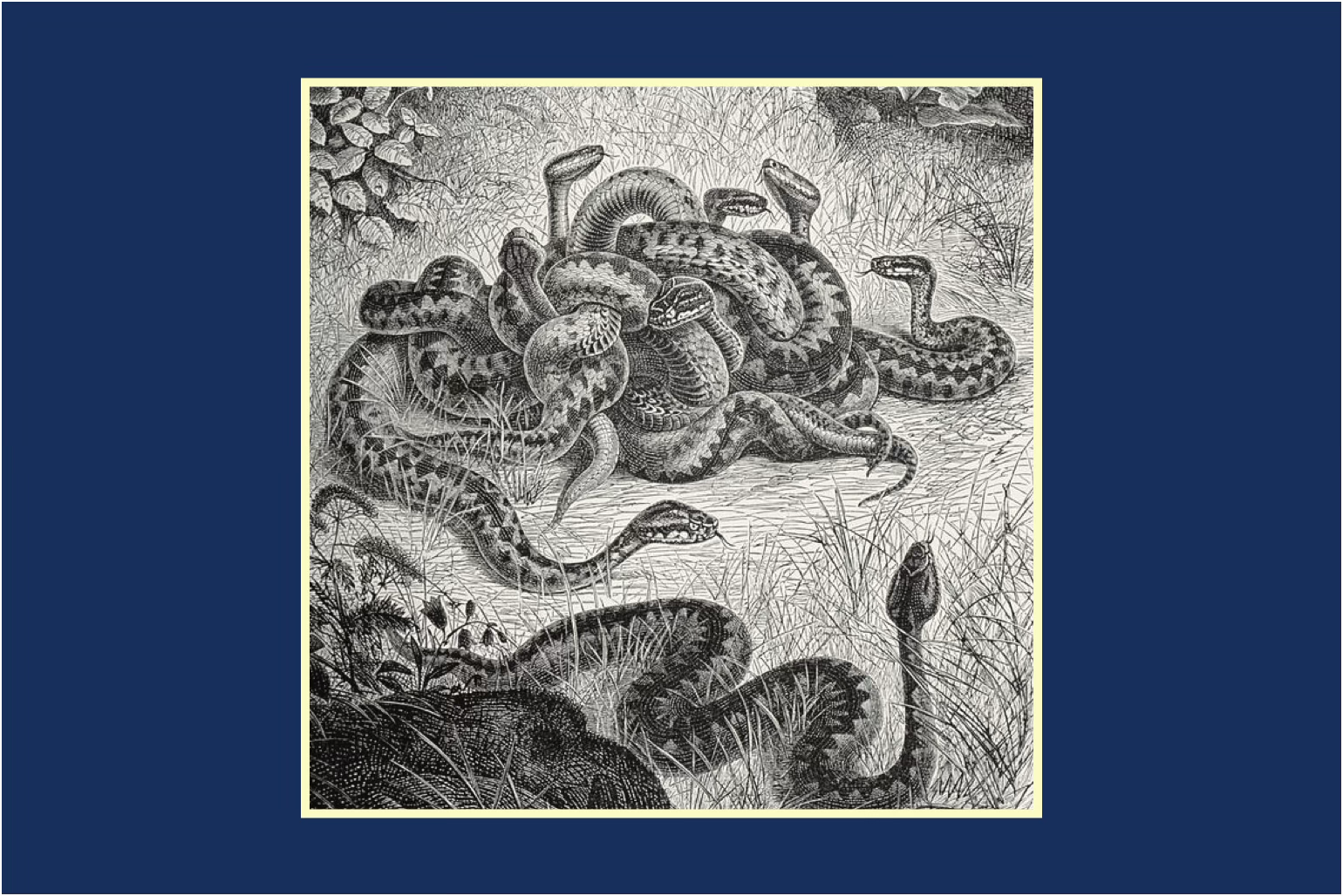
It’s a classic cobra trap. In 19th century British India, to temper the rampant cobra population, civilians were incentivised by a reward to capture them and bring them to the authorities. However, seeing a market, civilians soon started raising cobra’s.
It’s easy to see Agentic AI create bugs and then squash them to reach targets.
——————-
Engagement and partnership is the way forward, not facile piecework models
——————-
At Django Web Studio we have a different approach.
We realise that Agentic AI has changed the playing field dramatically.
Although we’ve been integrating AI into our production work since GPT 3, it’s only in the past six to nine months that it’s really had an impact.
But even before, we’ve been rethinking our business model. Our original time & materials approach had been under pressure for some time due to frequent arguments about scope and estimate overrides.
Together with our clients we had concluded that a flat rate model could deliver both parties the most value. Clients can count on a steady budget, while we can count on a steady revenue.
Yes, it’s give and take. We’re bound to clients’ business way more.
But there’s a difference. We’re delivering value across the complete customer lifecycle. We initiate marketing campaigns, follow up leads, conduct demo’s, onboard new users, schedule status meetings, do customer support. In short, we’re integrated into clients business to a substantial degree.
We trust our clients and they trust us. A hard-nosed quantitative model like OaaS never enters our minds.