The Creative Power of Repetitive Tasks.
AI is taking over many repetitive jobs. But how many world-changing inventions did not come forth from boredom?
AI is a very complex, very well-lubricated pattern recognition machine.
As such, it can take on any language-based task that relies on pattern recognition to get the job done. That could be natural language, or, for our software company, the language of machine code.
But you might ask yourself, how much are we losing by not doing this repetitive work ourselves. I don’t mean losing jobs, although that is most certainly the case, and even more so in the (near) future. No, I mean losing the power of creativity that comes forth from repeating the same.
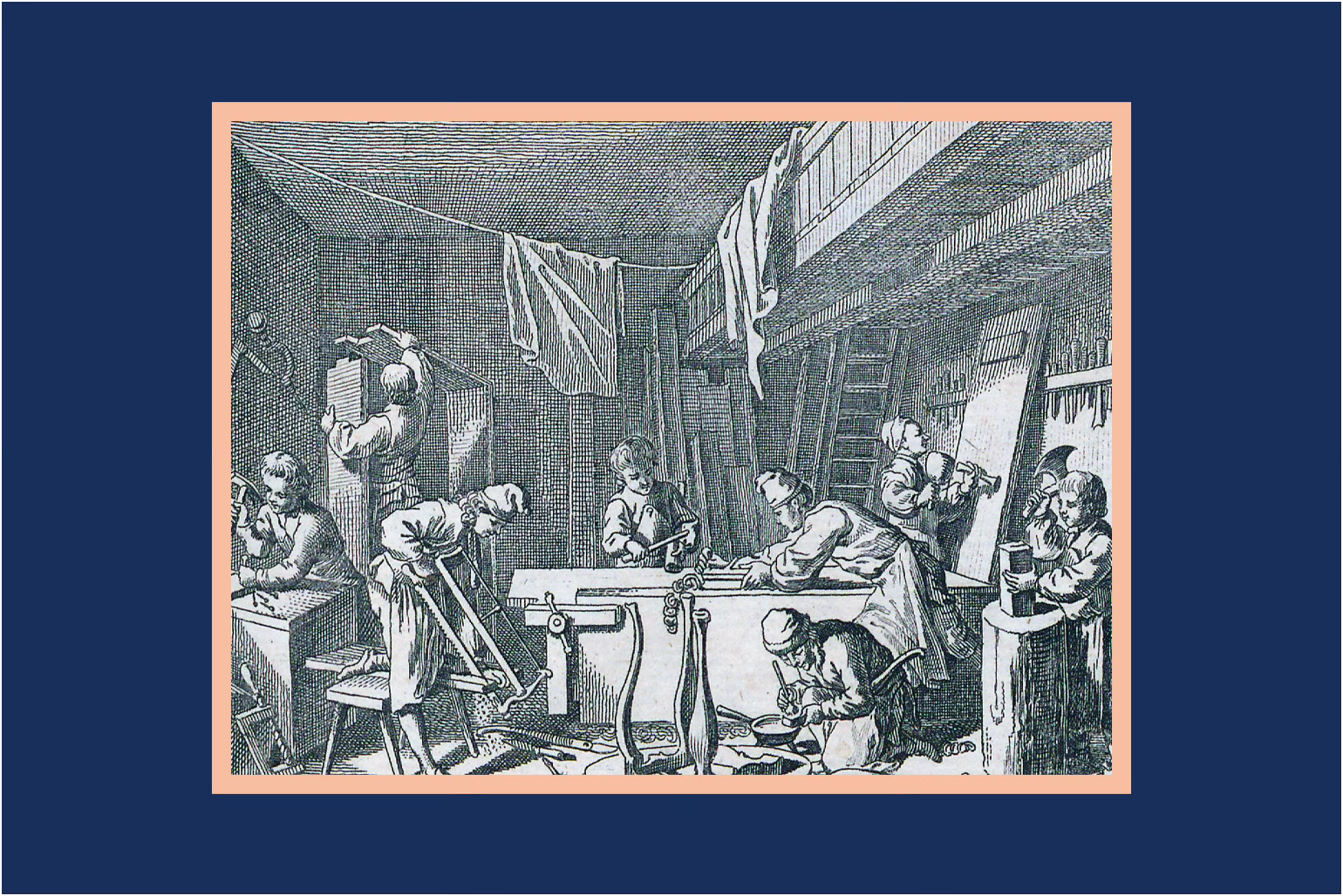
When I was a teenager I was a kind of apprentice to my uncle, a carpenter. I was always amazed by the way he hammered in literal nine inch nails. With bold strokes, he struck the head of that nail just right every single time, it never went crooked, he never missed.
There was a lifetime of experience in that skill, you could tell he enjoyed it.
But that was then. Now a building site is filled with the sound of the pneumatic nailer. My uncle would have hated it. But automation made hammering in nails ten times faster.
———————-
Here’s three inventions that were inspired by repetitive tasks.
———————-
1️⃣ If you still think Henry Ford invented the assembly line, think again. It was actually his team, specifically engineers like William "Pa" Klann and Charles Sorensen, who came up with the idea of having the car move to the workers — yes, on the assembly line — rather than have the workers come to the car.
2️⃣ In the early twentieth century it was customary to use horse-drawn wagons to haul felled trees from the forests, one log at a time. The repetition and inefficiency drove logger John C. Endebrock to invent the flatbed truck with "gooseneck" trailer to carry more logs at once.
3️⃣ On a particularly hairy trip by motorcar during a snowstorm, Mary Anderson came up with the idea of the window wiper, which could be operated from within the vehicle. Previously, drivers had to repeatedly get out of the car to clear the windshield by hand. Or not, with terrible accidents as consequence.
———————-
If repetition is a creative force, why do we hate it so much?
———————-
Repetition is associated with boredom, and boredom is seen as something mostly not good. But boredom is inaction, repetition is different in that it’s boring but active.
Both give time to think. Bored youths sitting around in their parent’s living room with a guitar within reach decide to form a band and before you know it they’re the hottest thing around Merseyside.
And a bored laundry worker in Bangladesh, tired of folding up t-shirts the traditional way, sees that by wrapping it around a piece of cardboard they can do the job ten times faster.
While we’re being all bored and depressed, our lizard brain is working on a way out.
———————-
Every automation revolution has brought new repetition. Will AI do the same?
———————-
It’s true. The assembly line is the quintessential picture of boredom. From repetitively having to walk to the next car to do the upholstery, the car now comes to you. What’s so interesting about that?
So too the software developer mindlessly scrolling on their phone while their AI coding agent does their work for them. There’s challenge in setting up orchestration but after that you’re done for the day.
The question of AI bringing new repetition and boredom is already answered with a wholehearted yes.
A better question is, what will our lizard brain come up with this time?