The Hand of the Apprentice Learns From the Hand of the Master.
We use AI to code so we don’t have to type it ourselves. Have we sealed the spring of creativity?
How many typists became writers? More than you might expect.
Agatha Christie was a typist. Frans Kafka typed legal documents by day, masterpieces by night. Stephen King had jobs that involved a lot of typing.
Fingers typing second-hand words and sentences then started typing their own.
Learning to type involves what’s called “blind typing” — the keys are covered with coloured tabs — certified typists are required to type without looking at the keys, at 70 words per minute.
It’s hard.
Don’t we need the struggle, then despair, and failure, and then the relief of success?
How can we remain creative when we’ve automated away our suffering?
—————-
The best ideas come from process, not output.
—————-
Serendipity is the name given to inventions that occur almost by accident. Penicillin is often cited and seems to me the most important, saved millions of lives and led to fields of investigation that saved billions more.
The biggest risk of automated coding — the issue that is most certainly to arise — is that we’re wresting away a critical element that brings on innovation: the struggle, the desperation, the feeling of utter helplessness that precedes the breakthrough.
Take away the hardship you take away serendipity.
—————-
You can’t artificially create the conditions for chance finds.
—————-
Artificial “return to the past” solutions won’t work.
They’re like artisan bakeries in times of high-volume food production. The taste is good but when you’re hungry you head for the supermarket.
We’ve got to find the depths of despair that arise on top of the new technology.
There’s the despair of the artisan grinder of pigments and mixer of paints, and — a level higher — the despair of the artist using the paint to create their masterpiece.
—————-
Level up, coders. You’re bound to get yourself into some new trouble and despair that might get you some serendipitous finds.
—————-
That’s the picture I want to paint.
If coders find themselves in moral jeopardy because AI is taking away the tasks they define themselves by, they should level up.
No longer am I the writer of beautiful lines of code, 70 words a minute, but I can devise strategy myself, structure architecture myself, analyse business myself. Me and My AI.
You have your head full of internet and interface, you’ve internalised that through years of chugging away at the coding level. You’re uniquely positioned to become an expert on any subject that’s even remotely associated with software.
You just don’t know it yet.
—————-
Becoming master is knowing you’ll always be an apprentice.
—————-
You can’t artificially create the conditions for serendipity.
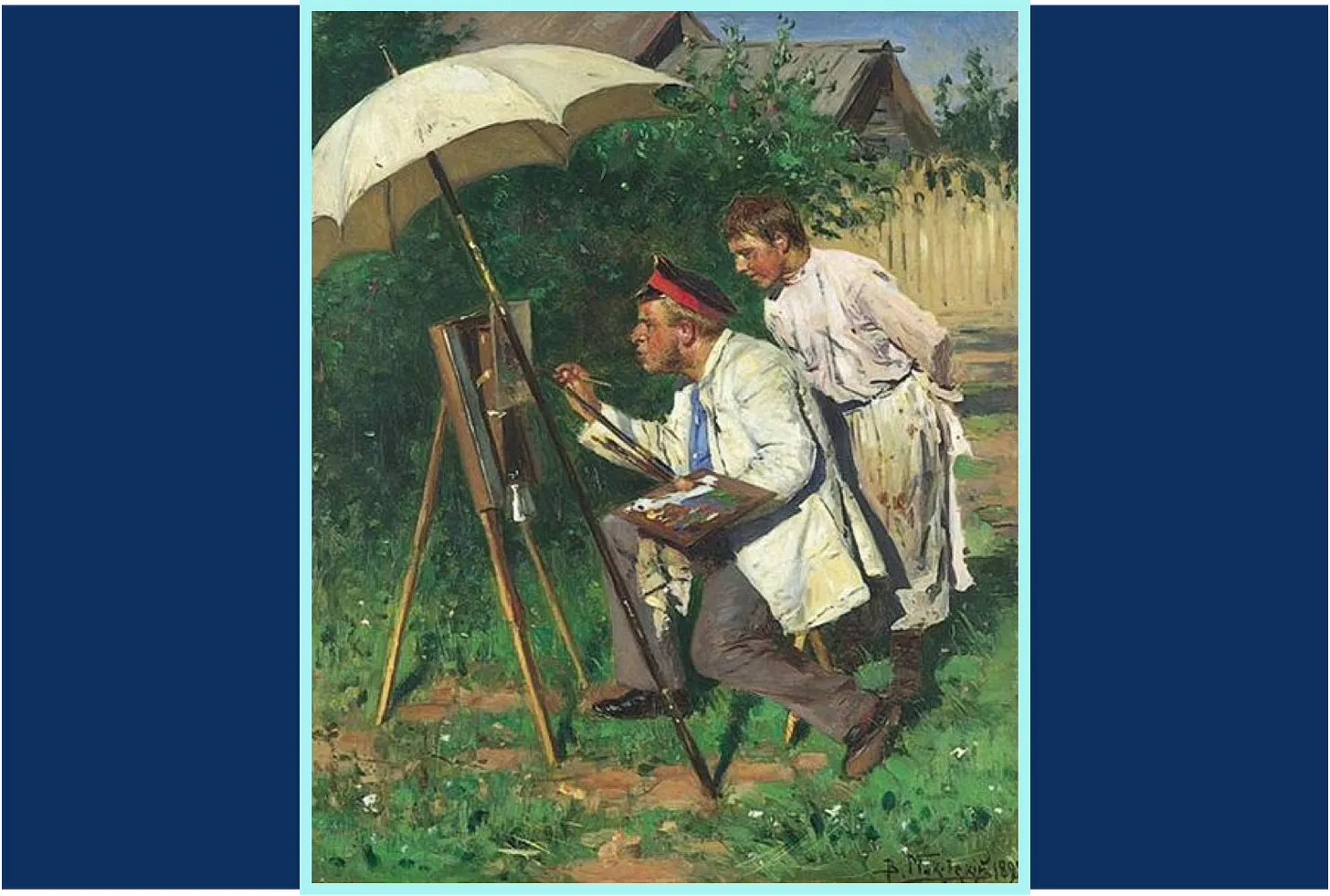
“The Hand of the Apprentice Learns From the Hand of the Master.”
We’re shifting the subject of the sentence for a reason. The learning is in the hand.
On so many levels, learning is not a conscious activity. It’s growing tacit knowledge.
Serendipity sits somewhere between the neocortex and our animal brain, our “lizard brain”, it’s picking up on something that had not entered our consciousness, yet we recognise it the moment it appears.
Sometimes the old ways have something to teach us.
The apprentice learns by following the hand of the master. The learning is embedded in the motor system, from the fingers to the hand, through the nervous system to the parts of the brain we know so little of.
We struggle to describe tacit knowlodge because it never reaches the neocortex and language. Never reaches what I think defines me as “me”.
Becoming master is respecting that learning is a process that happens underground.
You’re always “becoming”. You’ll always be an apprentice.
—-//———————
Header Image: Vladimir Makovsky, The Artist and the Apprentice, 1895