Why a volunteer’s signature means more than all of AI.
Accountability is key in human relationships. AI can’t even begin to compete.
I’m in New Zealand right now, returning to Amsterdam in a couple of days after attending the funeral of a family member.
Years ago, I registered a company here, with the plan to spend more time in the country I grew up in. With the company came a bank account and we put some start capital in it.
But Covid came and it didn’t happen. And in the meantime, new laws were passed, and the requirements for the account were stepped up.
I needed certified proof of address, which is when my sister told me to go to a JP.
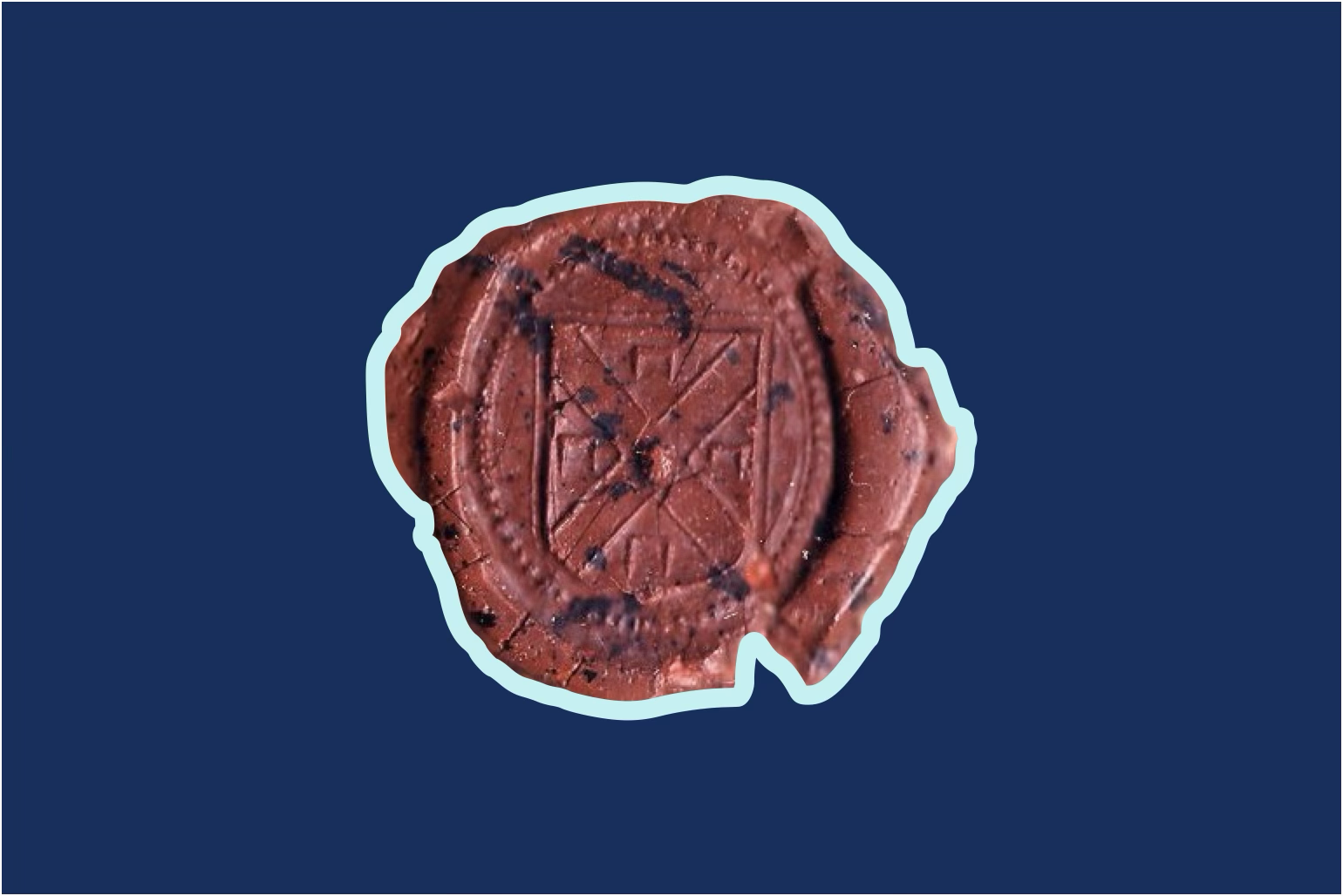
It’s short for Justice of the Peace, and surprisingly to me, it’s a system of volunteers that certify peoples documents for exactly the kind of thing I needed. For free, as the word volunteer implies.
When our company in the Netherlands needs anything done from our solicitors it comes at a cost. I have always thought that this cost in part was because the solicitor is personally responsible for the consulting given, after all, they put their signature on it. But here, people from all walks of life stamp and seal documents in their free time for no fee at all.
In our societies we have the agreement that a person is responsible for their actions. We have built a system for it, where the individual has a relationship with the state. The individual carries the name given at birth, it’s passed to a document that both the individual and the state own. Same face, same name. Some countries might allow the individual to change their name, New Zealand being one, but again, both the individual and the state hold themselves to the same name and the same face.
When you start a company, get a loan or a mortgage, the signature you place as that registered individual gives the other security because the state can enforce commitment. Even for a Ltd or LLC, there’s an individual who is ultimately responsible. Accountable. Obviously, you might say, you would, it’s the stuff our societies are made of.
These days, when we have some legal issue at our company, we turn to AI. It can parse our requirements into a contract for next to nothing, unlike our expensive solicitors. But, crucially, it doesn’t sign off on it. It can’t. No name, no face, no passport.
In some sectors, there’s talk of personhood of AI. The European Parliament established that a robot (or AI) shall be considered intelligent when: 1) the existence of sensors capable of allowing it to exchange data with the environment; 2) the ability to learn from experience and interact with the environment; 3) the existence of material support; 4) the ability to adapt and 5) the absence of life in the biological sense (European Union, 2017). But for the last, our cat would be deemed intelligent. It’s not, as anyone in our household would attest to.
Anyway, intelligence is no measure for the simple reason that while we may be able to describe it, we have but fragments of an idea of what makes us humans more intelligent than our cat. Similarly, and famously, we have but a fragmentary idea of how an LLM-based AI works.
When the parents of the teenager who died by suicide filed against OpenAI, they were also filing against CEO Sam Altman. Because, as the CEO, he is the accountable individual behind the company.
At our company we use AI. And not only for admin stuff, and the occasional draft for a contract. We use AI Agents that write our code. But as a software company, we are the accountable party.
And by we, I mean me. It’s my signature, I’m the registered individual by face and name. I’m the one who gets into trouble if things go south. Not some algorithm in a machine.